New Site Tracks Oregon Corporate Ties to Federal Immigration Enforcement
A new website exposes Oregon businesses who have official government contracts with ICE and CBP


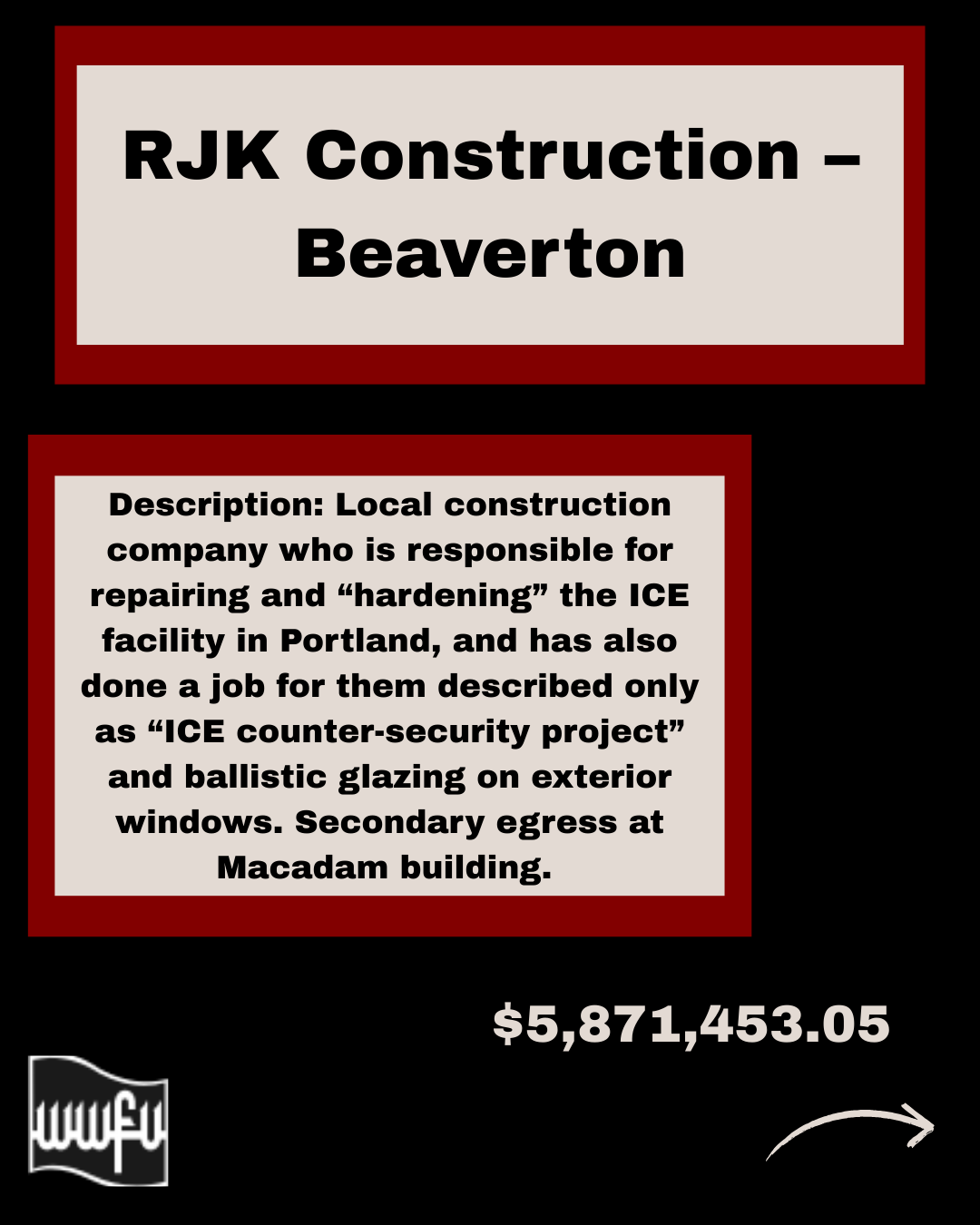
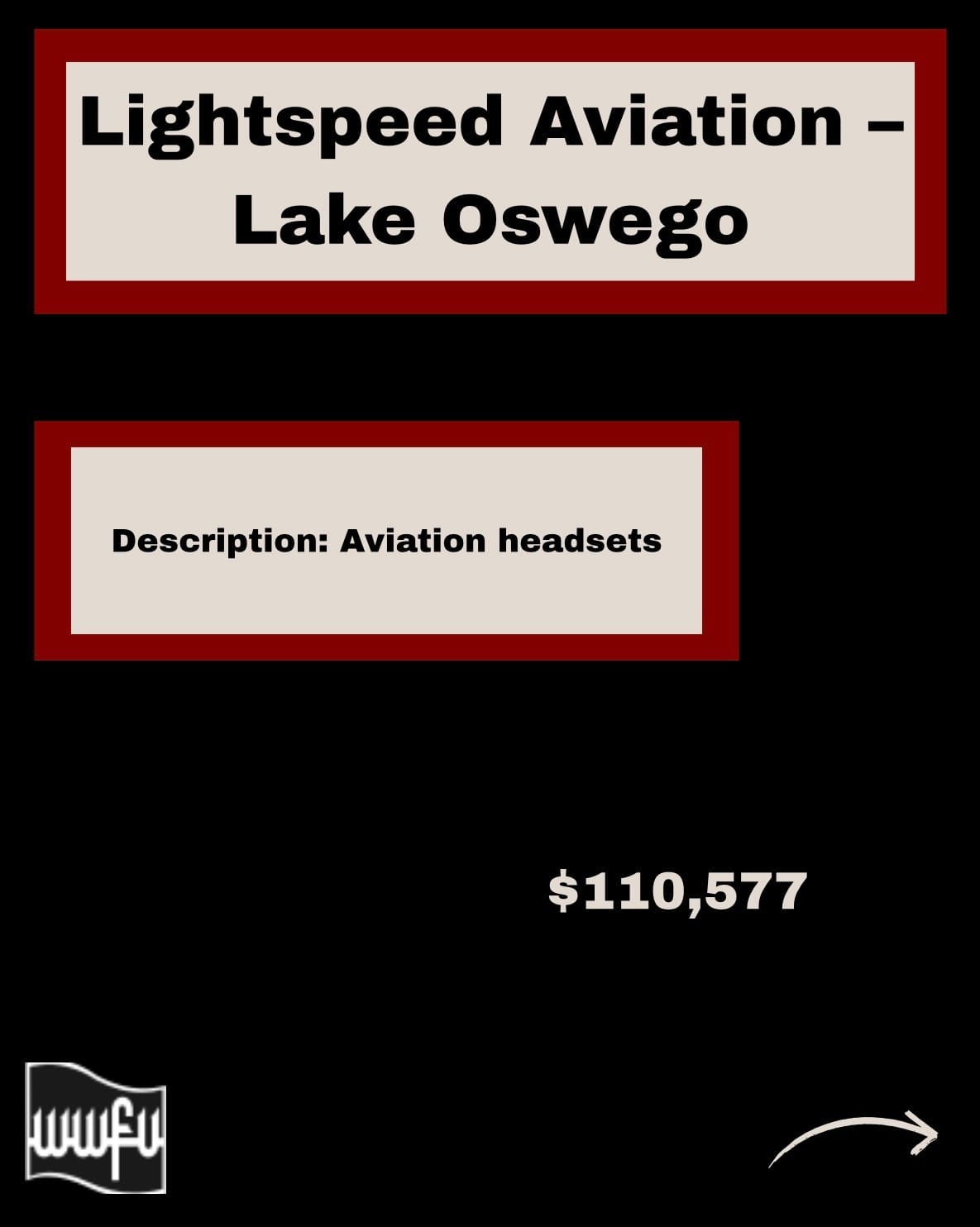
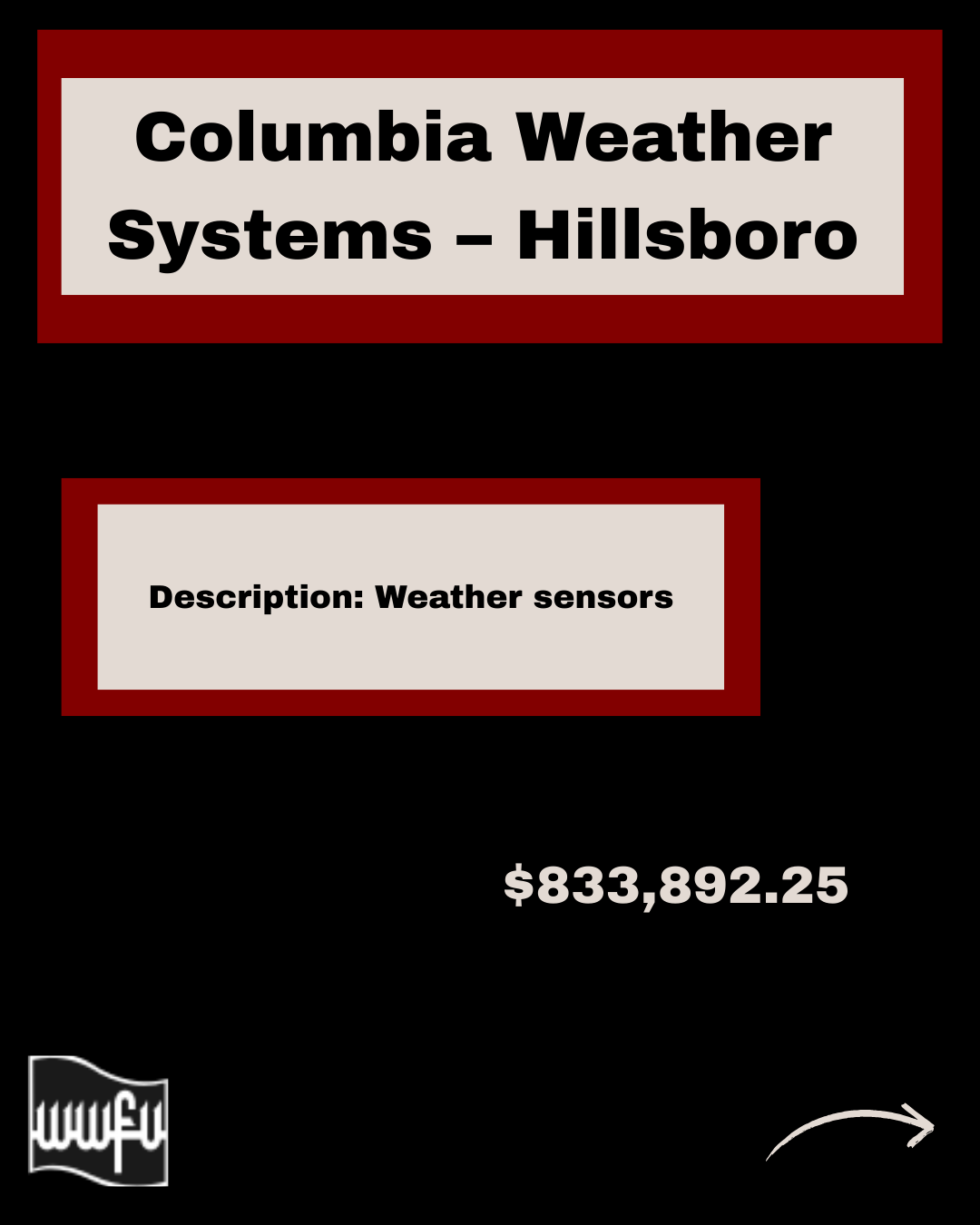
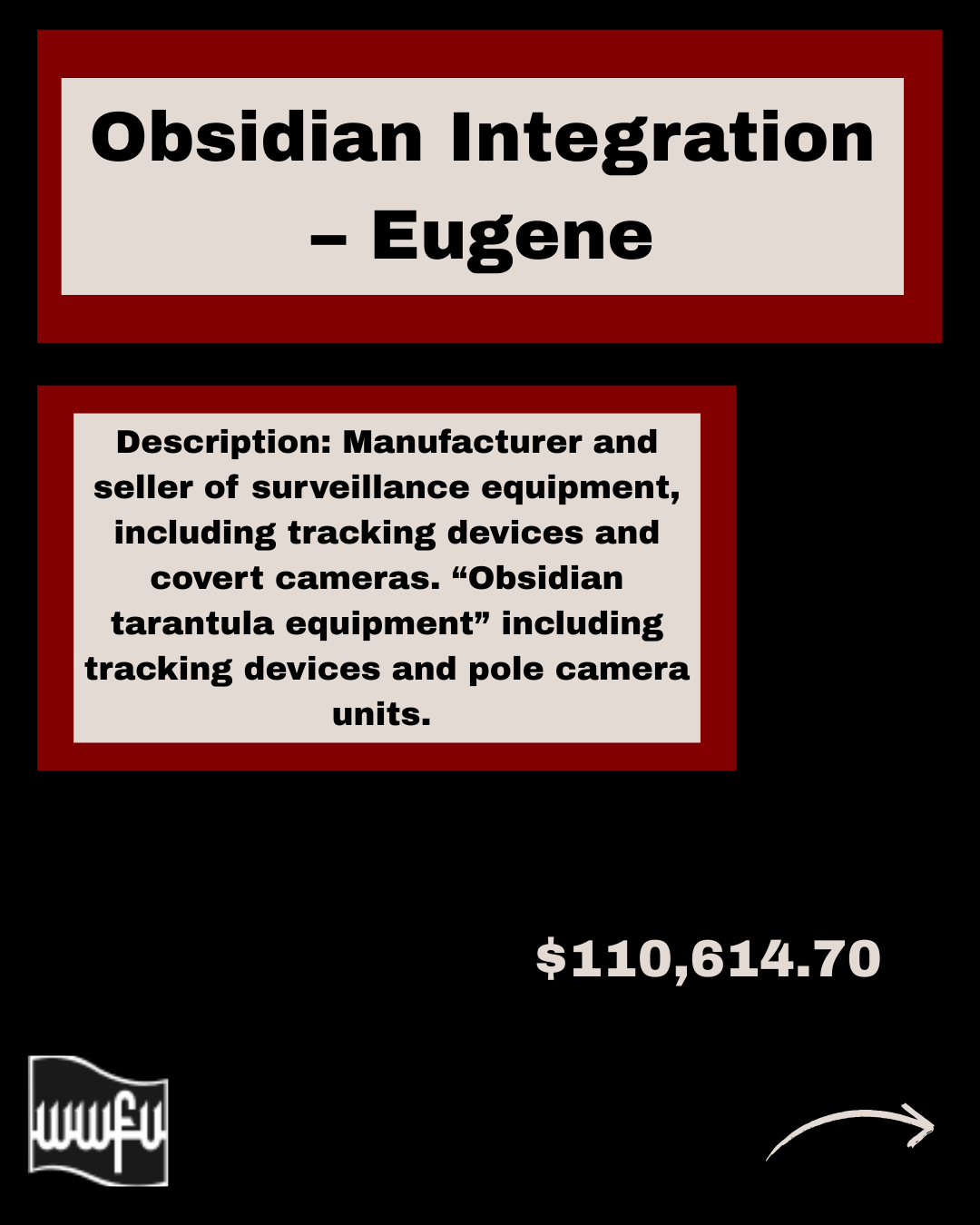
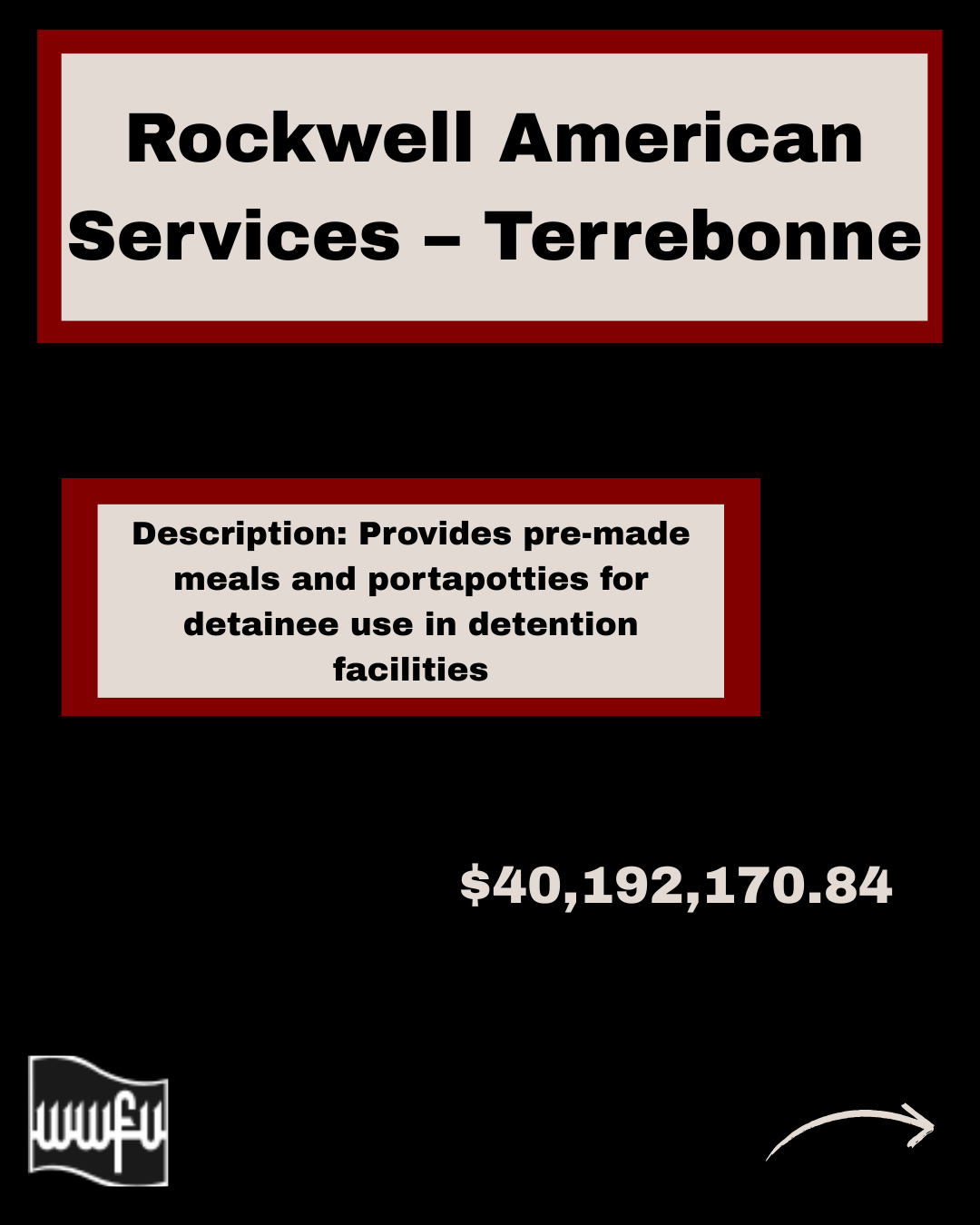
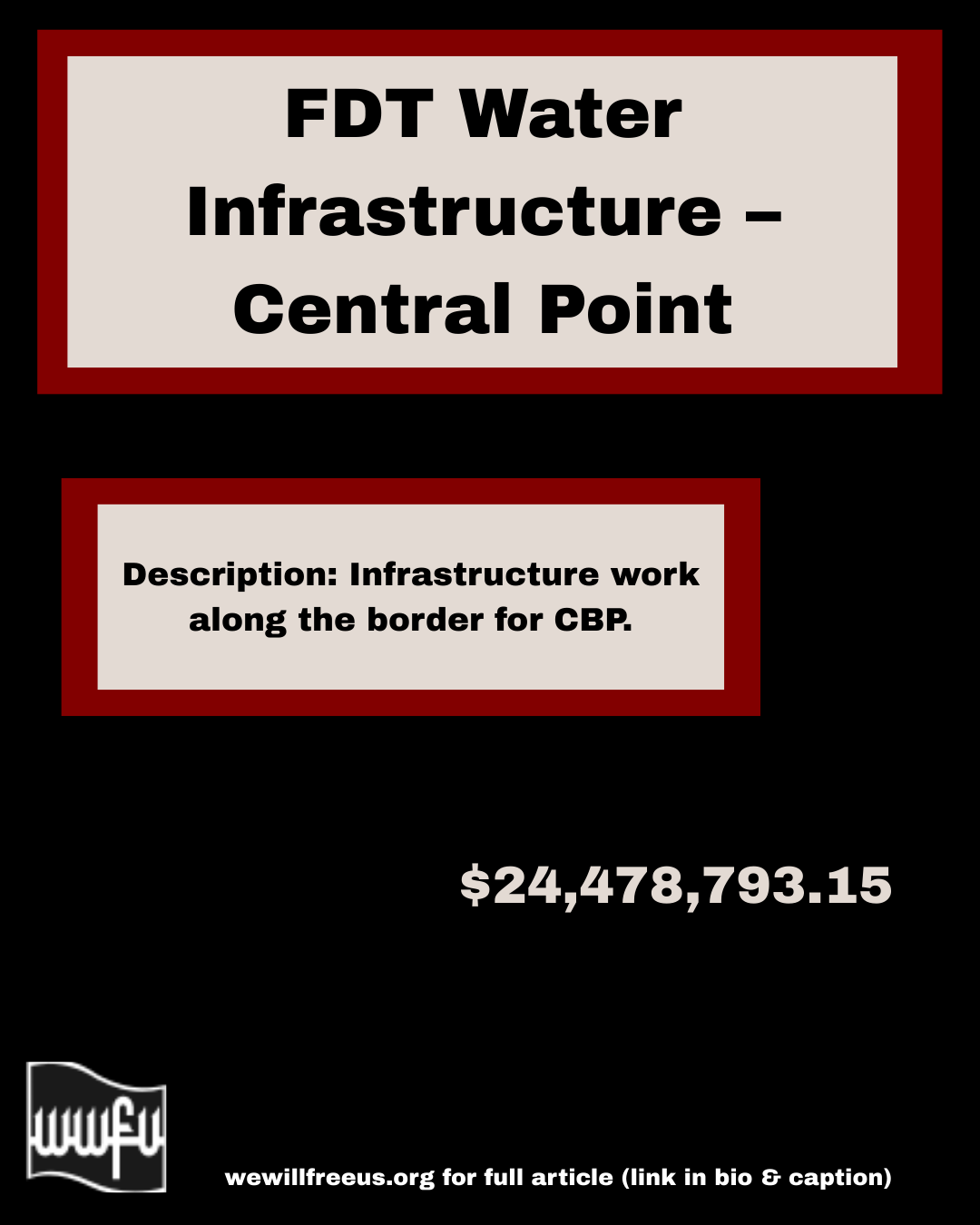
A new website, Melt Oregon, is aiming to map the financial ecosystem behind federal immigration enforcement by identifying businesses that hold official government contracts with U.S. Immigration and Customs Enforcement, U.S. Customs and Border Protection, and the U.S. Department of Homeland Security.
The project relies heavily on public contract data pulled from USAspending.gov, a federal database that tracks how taxpayer money is distributed through government contracts, grants, and loans. The site allows the public to search spending data by agency, location, and contractor, offering a window into how federal enforcement programs are funded and who profits from them.
For years, this information has technically been public. But “public” doesn’t always mean accessible. Projects like this turn raw federal spreadsheets into something communities can actually use. A map of who is cashing checks tied to kidnappings, deportations, detention, raids, and murder. If adopted elsewhere, the project’s model could make immigration enforcement funding streams more visible and more politically contested across the country.
According to Melt Oregon’s website, the project is meant to be both local and replicable nationwide:
“Our project is a resource for Oregon, but it is also a framework that can be replicated in any state. If you are outside of Oregon and would like to start a similar project in your area, you can get started by downloading our dataset of all federal contracts with ICE and CBP from 2024–2026. This is public data, and is also available (for now) directly from USAspending(dot)gov.”
The site also hosts raw datasets available for download, allowing journalists, organizers, and researchers to independently analyze federal contract relationships tied to immigration enforcement.
Melt Oregon’s messaging frames the project as part of a broader political struggle against immigration enforcement infrastructure and the private-sector actors that enable it. In one of the site’s most direct statements, they write:
“DHS, CBP, & ICE are waging a campaign of terror on our streets. They are brutalizing and kidnapping our neighbors and loved ones. They are tearing families apart. Children are being disappeared into “detention facilities.” Detainees are being beaten and starved. ICE agents are enacting the racist xenophobic policies of this authoritarian regime with the support of both powerful corporate interests and smaller local businesses.”
The site goes further, explicitly invoking historical language around collaboration with fascist regimes and authoritarian systems:
“Historically, those who willingly work with fascist regimes and help them carry out their atrocities are known as ‘collaborators’. History does not look kindly on them and neither do we.”
Oregon is already in an active, escalating fight over federal agents kidnapping people off our streets and coating the city in chemical warfare in response to protests.
Residents living next to Portland’s ICE facility recently went to court after months of tear gas exposure from federal agents during protests, with tenants describing health impacts and trauma from repeated chemical deployments.
At the same time, labor unions in Oregon are raising funds for workers caught up in a brutal attack at a labor rally against ICE.
And nationally, documents show enforcement agencies expanding contracts with major tech infrastructure providers during a period of rapid enforcement growth, leaving many questioning the private-sector footprint behind the violent deportation systems.
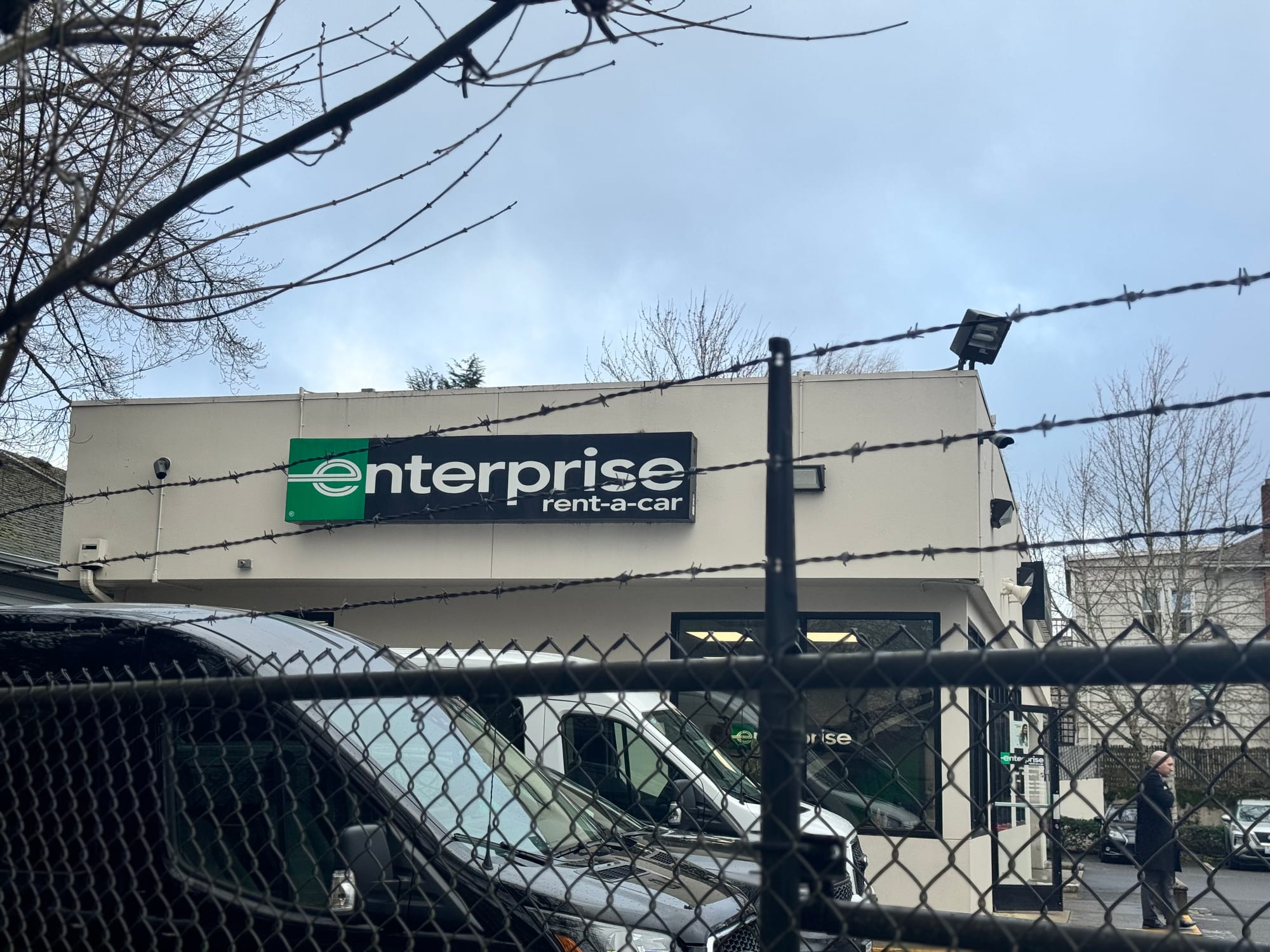
On the ground in Oregon, protests are increasingly targeting the companies themselves. On February 16th, demonstrators in Portland protested Enterprise, a vehicle rental company, over allegations it leased more than 1,000 vehicles to federal immigration authorities to be used to kidnap community members and terrorize our city.
Meanwhile, courts are actively weighing how far federal agents can go: a federal judge has repeatedly restricted the use of tear gas, rubber bullets, and other crowd-control weapons at Portland’s ICE facility except in narrow circumstances after the weekend of January 31st when on two separate days federal agents unleashed a horrific amount of teargas that spread miles beyond the ICE facility.
For years, immigration enforcement debates have focused on agents, raids, and detention centers.
But enforcement runs on contracts. Vehicles, software, surveillance tools, food vendors, construction firms, staffing companies. The machinery of deportation is also a marketplace.
And that’s what this project is trying to expose.
Because once communities know who is profiting, the fight shifts from abstract federal policy and local ICE facilities and detention centers alone, to includingm local, winnable pressure campaigns against the businesses making enforcement possible.
Oregon has already been moving in that direction, and now there’s a tool designed to accelerate it.